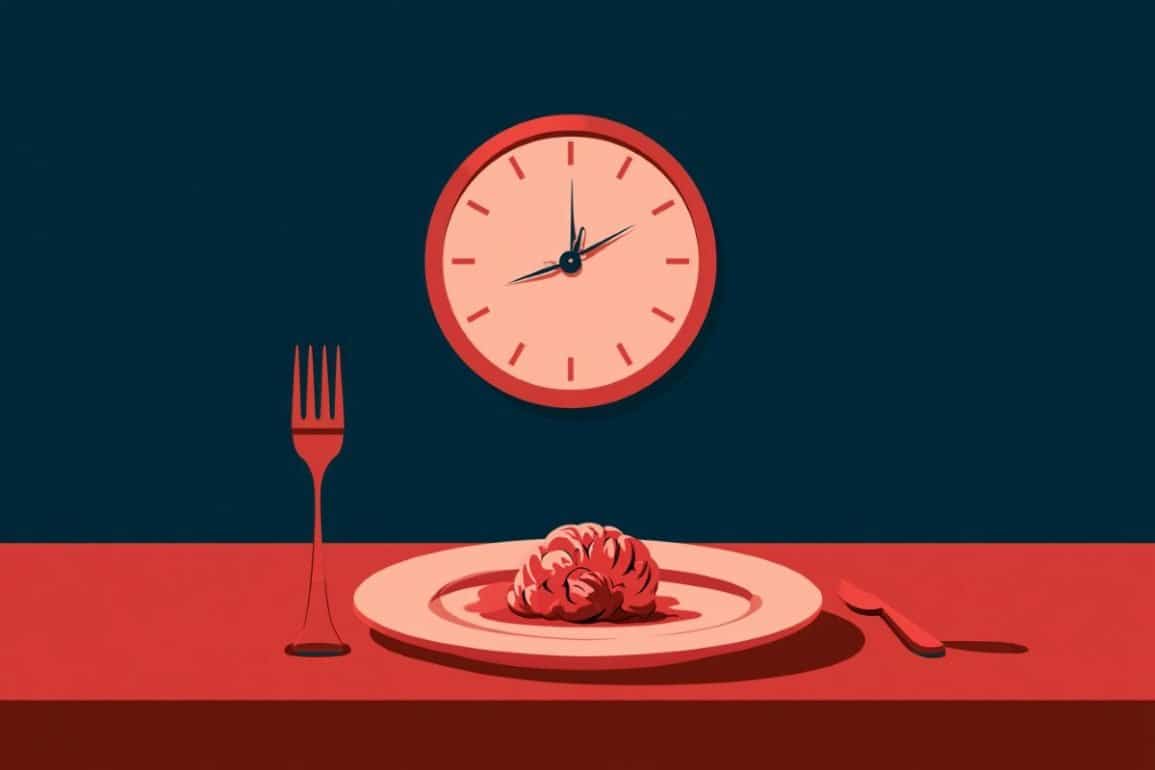
Photo: Restricted Eating Windows Aid Cognitive Function
What Tips: Convergence of biological threshold and civic near-miss
Thresholds in the brain, on the fire line, and in the public room.
Somewhere in the brain’s long argument with plaques and tau, scientists now sketch a possible tipping point: not the debris alone, but how immune cells answer it—and whether that answer helps decide who crosses into dementia. SuperAging still refuses a simple genetic score. Risk is real; a threshold is not a barcode.
Chronicle of Convergence is not a clinic brief or a crisis ticker. It is a daily reading of American life where culture, society, technology, and faith already share the same rooms. On Sunday, July 26, 2026, we hold that reading to one pressure: what tips a system from strain into break—or into recovery.
The sky offers a near miss. NASA and ESA ground stations in Spain escape major damage as wildfires run the country—deep-space infrastructure living inside terrestrial flames. Elsewhere velocity is sold and old facts are staged as scandal: Gemini’s lighter Flash models open through official APIs; solar’s silence at night is treated as revelation; United Launch Alliance’s parents backstop a loan while Vulcan stays grounded. A former FDA food-safety leader insists the public should not choose between nutrition and protection from outbreaks. Platforms still stack data governance in five-layer charts while the fire line is a single test.
Art and power keep choosing what the room must admire. A freed political prisoner stands beside Nolan’s Odyssey and Hockney’s iPad canvases—captivity, taste, and the pressure to pretend. In the Rose Garden, Jefferson arrives in bronze under a presidency that favors theatrical monuments. Last week’s desk asked what happens after the error; today asks what decides the crossing.
Convergence is not only how fast fields accelerate. It is whether we can name the threshold—immune, ecological, civic—before the room tips past judgment.