
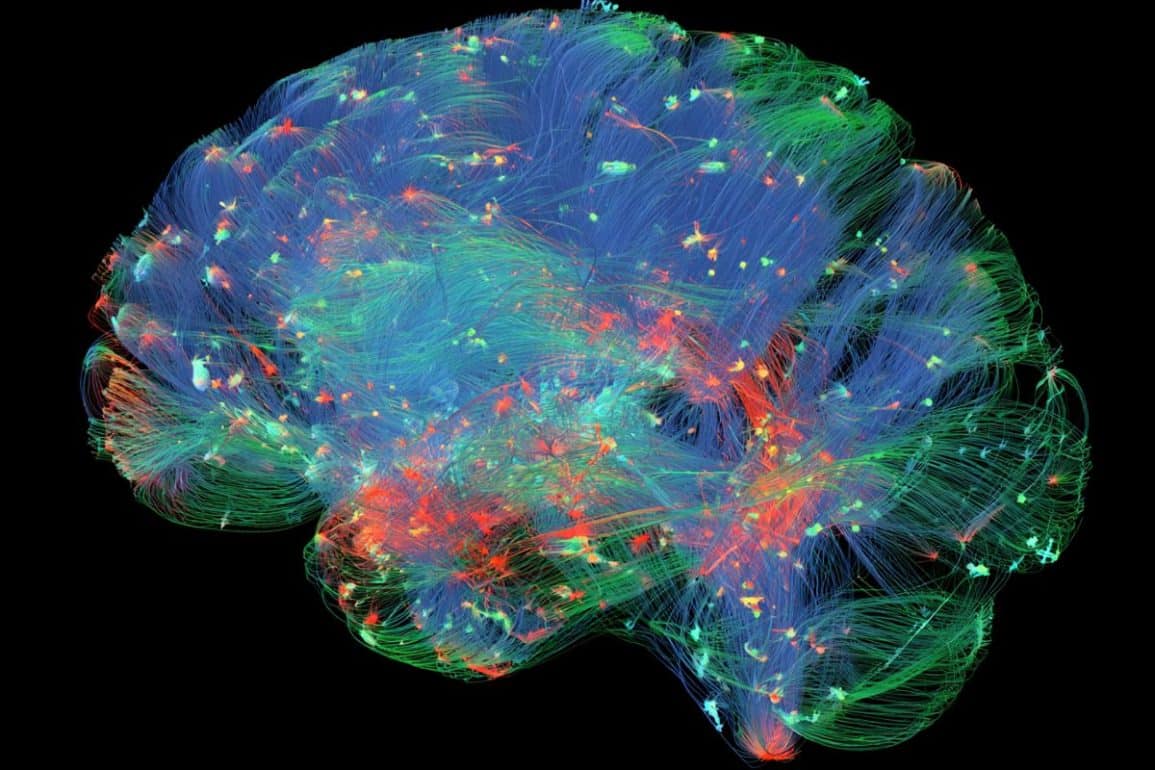
Photo: AI Cognition-neuroscieence
What machines learn to touch—and what civic maps still refuse to erase
Convergence of machine cognition and civic testimony
Researchers built a brain-inspired AI on hippocampal habits: cognitive maps and stochastic calculation—machines that navigate possibility the way memory navigates place. On another bench, a robot finger reads a coin in color and contour: ridges, Lincoln’s profile, columns it will never enter. Knowing is no longer only a score. It is a map—and a touch.
Chronicle of Convergence is not a lab digest or a hearing brief. It is a daily reading of American life where culture, society, technology, and faith already share the same rooms. On Tuesday, July 28, 2026, we hold that reading to one pressure: what maps we trust when touch and testimony pull the same day.
Sleep memory still needs three regions—orbitofrontal cortex, thalamus, hippocampus—and epileptic spikes can break the circuit. Public health is strained differently: UNAIDS reports global HIV financing fell eighteen percent last year. In the Senate, Anthony Fauci is forced before a panel that will rehearse origin stories and accountability. Science maps risk; politics maps blame.
Elsewhere velocity is sold and old facts are staged as scandal. Gemini’s lighter Flash models open through official APIs. Solar’s silence at night is treated again as revelation. ESA opens a call to repurpose Lunar Link—Gateway communications hardware looking for a second life after a station pause. Satellite operators welcome an upper C-band auction that could clear billions for GEO fleets.
Art answers with hands. Lucy Sparrow stocks more than twenty thousand handmade felt objects into a supermarket of ’90s convenience—nostalgia you can almost hold. Hyperallergic insists the Smithsonian is not the president’s museum, as an order tests whether a public institution can be remapped as partisan stage.
A cognitive map is only as honest as the places it refuses to erase. Convergence is not only how machines learn to feel. It is whether civic maps—of museums, epidemics, testimony—still leave room for what the finger knows and the record will not soft-focus.